
.png)
Corporate gifting has operated under the same flawed but optimistic assumption for decades:
We know how to choose the perfect gift that everyone will love.
This is why companies go with “one size fits all” employee gifts over and over again.
Some employees love them.
Some throw them out.
Some let the gifts collect dust in their offices and feel guilty every time they look at them.
What happens when employees are allowed to choose their own gifts?
That's the question behind Snappy's Gifting Data, which analyzed millions of recipient-selected gifts between June 2023 and May 2026.
One finding stood out immediately.
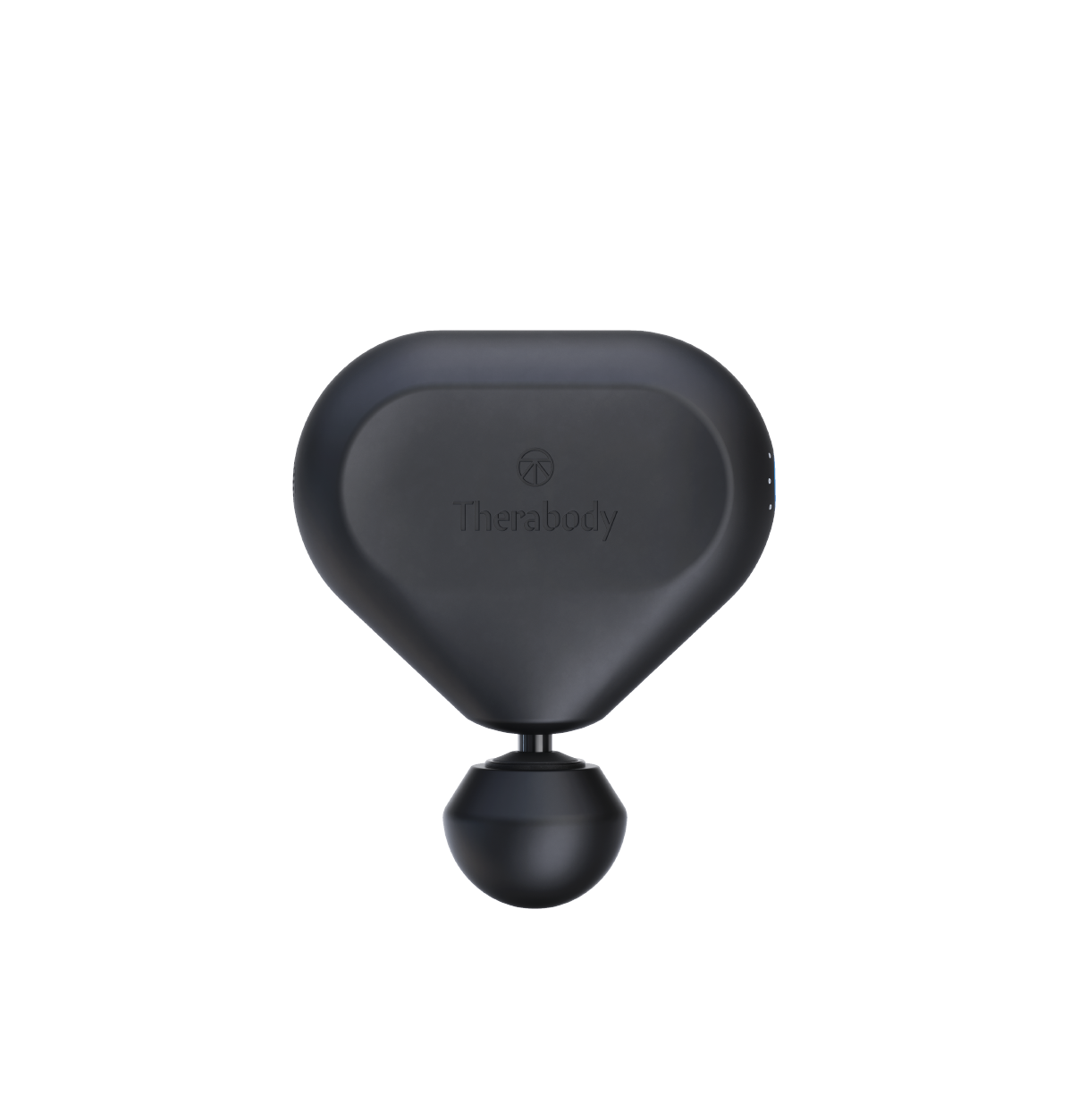
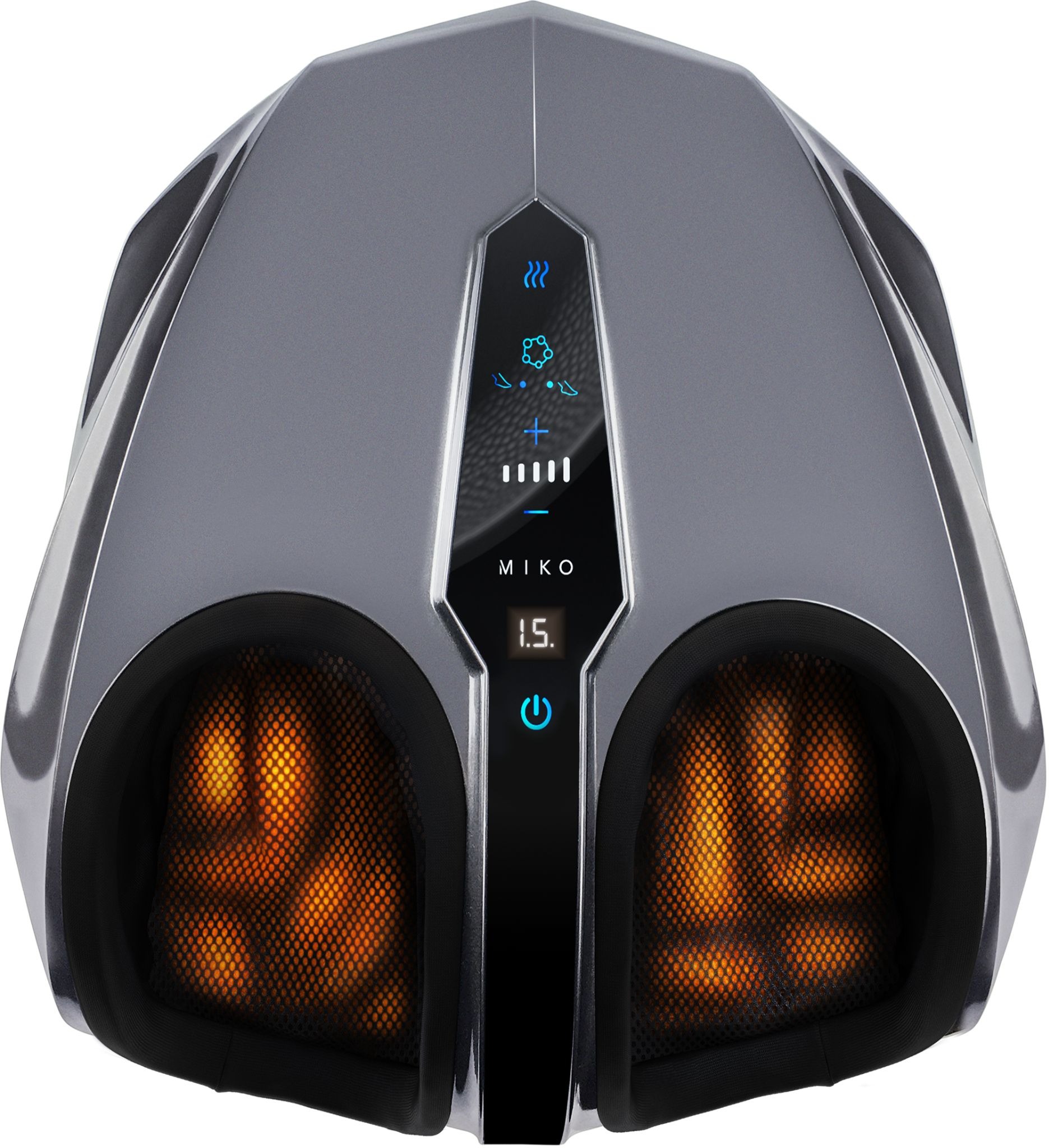
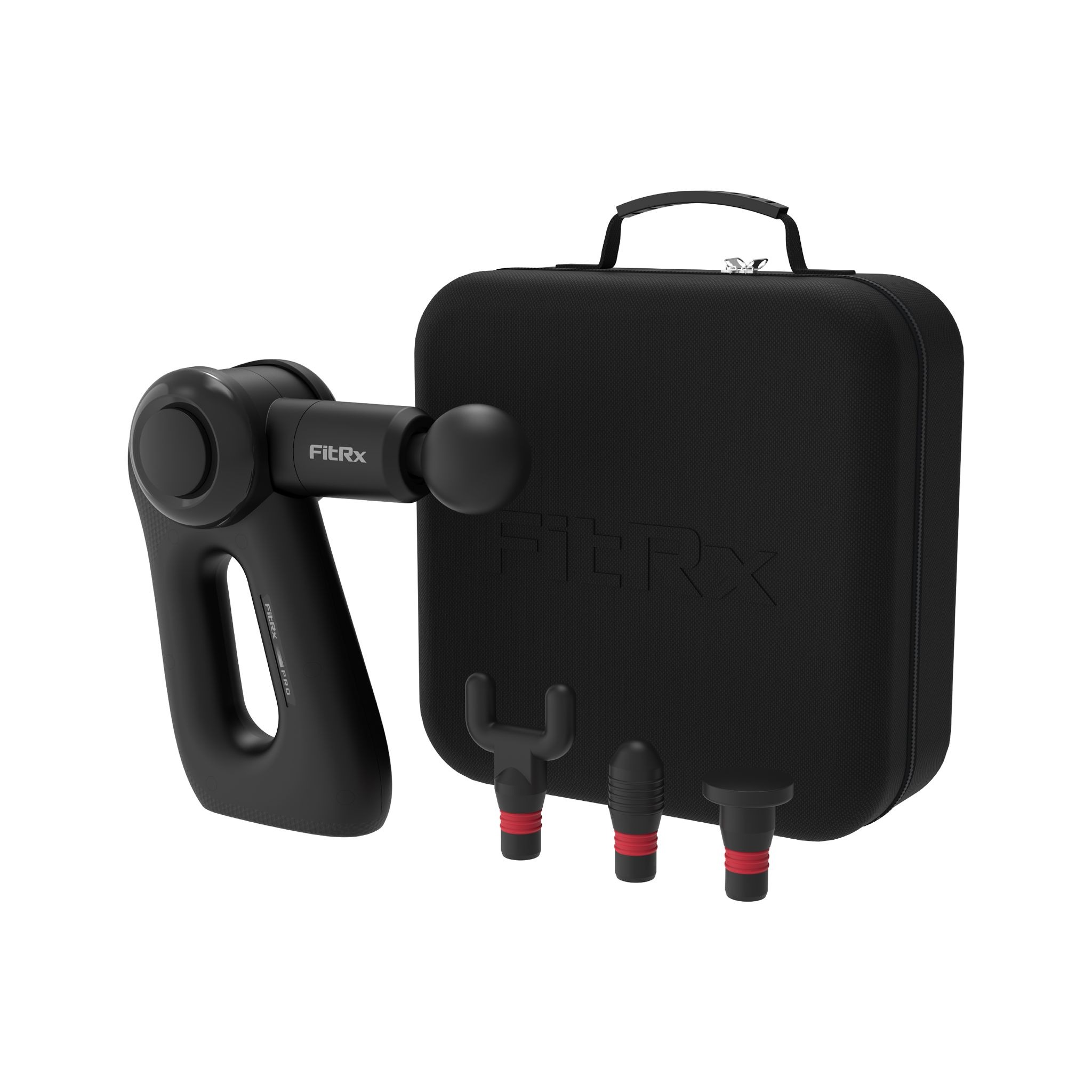
Massage Tools and relaxation accessories consistently rank among the most popular gift categories across industries as varied as accounting, banking, business services, broadcasting, retail, and construction.
It's a surprisingly universal trend.
It’s hard to imagine an HR leader kicking off Employee Appreciation Day planning with:
"Great news! This year's budget is going entirely toward massage guns."
And yet that's exactly what recipients choose when they're trusted to decide for themselves.
The finding says something interesting about gifting.
It also says something even more interesting about work.
Across millions of Snappy gift selections, one pattern keeps emerging: when employees are trusted to choose for themselves, they invest in themselves.
Snappy's Gifting Data: At a Glance
Analysis Period
June 2023 – May 2026
Dataset
Millions of recipient-selected Snappy gifts
Unexpected Finding
Massage tools and relaxation accessories consistently rank among the most popular gift categories across multiple industries.
Industries
Accounting • Banking • Business Services • Broadcasting • Retail • Construction
Biggest Insight
When people are given recipient choice, they repeatedly select products that support recovery, relaxation, and everyday well-being.
Employee Gifting is About More Than the Gift
Employee gifting has always been about creating connections.
Organizations give gifts to celebrate employee birthdays, anniversaries, onboarding, employee appreciation, and retirement to remind people that their work matters.
The gift itself is only part of the experience.
The message behind it is often much more important:
"We appreciate you."
"We noticed your effort."
"We're glad you're here."
For years, companies have tried to communicate those messages by choosing one gift they hope everyone will enjoy.
But as work becomes more personalized, global, and flexible, that approach starts to show its limits.
Which raises a more interesting question:
What if the most meaningful gift isn't the one a company chooses, but the one employees choose for themselves?
That is exactly what Snappy's Gifting Data set out to answer.
Rest & Recovery Have Become Modern Luxuries
Rest and recovery used to be things people earned after finishing a marathon.
It’s very different now.
It's twenty quiet minutes after putting the kids to bed.
It's stretching after sitting through eleven Zoom meetings.
It's finally unpacking after a three-day conference.
It's closing the laptop without immediately opening your phone.
Work has become faster, more connected, and much harder to turn off.
Gallup's 2026 State of the Global Workplace found that employee engagement fell to 20% globally while manager engagement experienced one of its largest declines in recent years.
Against that insight, Snappy's Gifting Data reveals a remarkably human pattern.
When people are free to choose something for themselves, they don't consistently choose status symbols.
They choose relief.
The Shift From Status to Self-Care
For years, great corporate gifts were expected to impress.
Something that looked expensive while it sat, often uselessly, on a desk.
Snappy's Gifting Data suggests a different trend is emerging.
People increasingly choose gifts that improve everyday life rather than signal status.
A recovery tool isn't designed to impress coworkers.
It's designed to make tomorrow morning feel better than today.
That shift says something interesting about modern work.
People aren't looking for another symbol of success.
They're looking for products they'll actually use.
And perhaps that's the ultimate luxury.
What Recovery Gifts Reveal
Snappy’s Gifting Data tells us what people choose.
And sometimes behavior says more than a survey ever could.
People are choosing massage tools because they fit into their real day-to-day lives.
Because sore shoulders from hunching over laptops are real.
Long flights are real.
Busy seasons that never end are very real.
Training for a half-marathon while somehow remembering to buy groceries is real.
Recovery products acknowledge something work often forgets:
There is an actual person, living an actual life, behind the employee.
Across millions of Snappy gift selections, recipient choice keeps pointing in the same direction.
People value products that help them feel better.
One pattern keeps emerging: when people are trusted to choose gifts for themselves, they invest in themselves.
Why Recovery Gifts Keep Rising to the Top
The popularity of recovery products isn't accidental.
It reflects three surprisingly simple truths.
They're practical.
The best gifts don't just create one exciting moment.
They create countless moments of joy and delight over weeks, and months…maybe even years.
After a long day.
After a workout.
After traveling.
That's lasting value.
They're indulgent in the right way.
Recovery products occupy one of the most interesting categories in gifting:
"I've always wanted one, but I probably wouldn't buy it for myself."
That's the sweet spot.
Useful enough to appreciate.
Special enough to feel like a treat.
They permit people to hit pause.
Perhaps the most valuable thing a recovery gift provides isn't muscle relief.
It's permission.
Permission to spend twenty minutes taking care of themselves instead of answering one more email.
Permission to choose comfort over productivity.
Permission to slow down.
That's a surprisingly meaningful message.
The "I Would Never Buy This for Myself" Effect
One of the most interesting things about great gifts is that they often live in a very specific category:
Things we genuinely want but somehow never quite purchase for ourselves.
A massage tool is a perfect example.
It's practical enough that you'll use it all the time.
It's indulgent enough that it feels like a treat.
It’s just expensive enough that it lives on a “wish list” but never actually makes it into a cart.
That's exactly what makes it such a meaningful gift.
It's not solving a problem people didn't know they had.
It's giving them the OK to enjoy something they've been putting off.
Across millions of recipient-selected gifts, Snappy's Gifting Data suggests that people consistently gravitate toward products that make everyday life a little more comfortable.
Not because they're high-tech, or fancy, or expensive.
Because they're useful.
That's a very different definition of luxury.
It might even be a more meaningful one.
Recipient Choice Reveals What Companies Can't Predict
Traditional corporate gifting starts with one question:
What should we send everyone?
Recipient choice gifting starts with a different one:
What do people actually want?
Those are very different questions.
If a marketing team is planning customer appreciation gifts, recovery products probably aren't the first idea on the whiteboard brainstorm.
If HR is planning Employee Appreciation Day, massage tools might never make the shortlist.
And yet recipients continue choosing them.
Again.
And again.
And again.
That's exactly why recipient choice gifting works.
It replaces assumptions with preferences.
And sometimes those preferences are delightfully unexpected.
The Personalization Gap
In 2026, more often than not, there's a disconnect between the gifts companies think people want and the gifts people actually choose.
Why? It’s about personalization.
But, personalization isn't putting someone's name on a water bottle for the third time this year.
It's recognizing that different people have different priorities.
Some recipients choose travel gear.
Some choose technology.
Some choose experiences.
Some choose luxury products.
And a remarkable number choose recovery tools.
Not because everyone is exhausted.
It’s because people consistently invest in products that make everyday life a little better.
That's much more interesting.
That's the hidden cost of one-size-fits-all gifting.
Every standardized gift is also a standardized assumption.
Recipient choice gifting replaces assumptions with actual preferences.
The Best Employee Gifts Acknowledge the Person Behind the Job
Companies repeatedly fall into a trap when planning employee recognition.
The trap? Thinking about employees exclusively as employees.
The problem? Nobody spends their entire life at work.
The accountant is also training for a marathon.
The salesperson is carrying a toddler through the airport after a family vacation.
The HR manager is helping everyone else navigate stress while trying to manage their own.
The marketer has been staring at three different dashboards and fourteen browser tabs since 8:00 a.m.
Recovery gifts acknowledge something important and simple:
People have lives outside of work.
A massage tool isn't just a corporate gift.
It's something someone uses after a workout.
After gardening.
After moving apartments.
After sitting on the sidelines of soccer games all weekend.
After a long day that had absolutely nothing to do with work.
That's one reason recipient choice gifting feels so personal.
The gift doesn't say,
"We guessed what everyone who works here might like."
It says,
"You know your life better than we do. Choose something that makes it better."
Across millions of Snappy gift selections, recipients continue to reward that trust by choosing products they'll actually use.
The Best Time to Give Recovery Gifts
The good news/bad news is that recovery isn't tied to one day or event.
It is constant. Which means it fits naturally throughout the employee and customer journey.
After product launches.
After conferences.
After busy seasons (that never seem to end).
For Employee Appreciation Day.
For work anniversaries.
For customer loyalty programs.
For referrals.
For the simple reason that everyone occasionally deserves a reminder to take care of themselves.
Recipient choice gifting lets every individual define what that looks like.
What Recovery Gifts Reveal About Modern Recognition
Recognition has evolved.
For years, organizations focused on visible appreciation:
Plaques.
Trophies.
Group lunches.
Shout-outs during company all-hands meetings.
Today, gifting, especially recipient choice gifting, reveals a different definition of meaningful recognition.
When allowed to choose their own gifts, employees increasingly choose gifts that create value long after the recognition moment itself.
A recovery tool doesn't just create excitement when it's unwrapped.
It creates value every time it's used.
Six months later.
A year later.
Long after the Slack announcement, team lunch, or Employee Appreciation Day celebration has faded from memory.
That's an important shift.
The most memorable recognition isn't always the loudest.
Sometimes it's the quiet reminder that someone cared enough to let you choose something you'd genuinely enjoy.
Perhaps that's why recovery products continue to rise to the top.
They don't simply recognize someone's work.
They support the person doing it.
And that's a much more lasting form of appreciation.
The Biggest Insight Isn't About Massage Tools
The key finding from Snappy's Gifting Data isn't that Massage Tools & Relaxation Accessories consistently rank among the most popular gift categories.
It's that almost nobody would have predicted they would.
For decades, corporate gifting has been built around one assumption:
Someone at the company decides what everyone else wants.
Recipient choice gifting flips that idea upside down in ways that benefit everyone involved.
Now, instead of making assumptions, organizations get something much more valuable.
Answers.
Across millions of gift selections, those answers consistently point toward products that help people recover, recharge, and enjoy everyday life.
Maybe that's the biggest lesson hidden inside the data.
The most meaningful corporate gift isn't the flashiest one.
It isn't the most expensive one.
It isn't even the one everyone receives.
It's the one people choose for themselves.
Key Takeaways
- According to Snappy's Gifting Data, Massage Tools & Relaxation Accessories consistently rank among the most popular recipient-selected gifts across multiple industries.
- Recovery-focused gifts combine practicality, self-care, everyday usefulness, and a touch of indulgence.
- Recipient choice reveals preferences that organizations would be unlikely to predict on their own.
- Recovery products suggest that employees and customers increasingly value gifts that help them recharge and improve everyday life.
- The most meaningful corporate gifts aren't one-size-fits-all. They're the ones people choose for themselves.
Recipient Choice Gifting = Employee Appreciation
For years, companies have tried to answer the same question: How do we make people feel appreciated?
The instinct has always been to find one perfect gift for everyone. But Snappy's Gifting Data suggests a different approach.
When people are trusted to choose for themselves, they consistently choose products that make everyday life a little better. They choose comfort over clutter. Practicality over novelty. Recovery over another thing to put on a shelf.
In a world where work is always on, and the lines between professional and personal life continue to blur, that feels like more than a gifting trend. It feels like a reminder that employees and customers are whole people with long days, busy schedules, sore shoulders, family responsibilities, workouts, flights, deadlines, and lives outside of work.
Maybe the most meaningful gift isn't the one a company picks.
Maybe it's the opportunity to choose something that helps someone slow down, recharge, and take care of themselves.
And across millions of Snappy gift selections, one pattern keeps emerging:
When people are trusted to choose for themselves, they choose to invest in themselves.

